The study of Truck Art Pakistan reveals a world where heavy transport vehicles serve as moving canvases of heritage, poetry, and regional pride. Driving along the Grand Trunk Road or the Indus Highway exposes observers to a brilliant display of handcrafted floral motifs, reflective kaleidoscope metalwork, and intricate Urdu calligraphy.
Quick Summary: Truck Art Pakistan (locally known as Phool Patti) is an internationally recognized folk art tradition originating in the 1920s. Artisans transform commercial freight trucks into personalized cultural statements using vivid acrylics, carved cedar wood panels, hammered brass, and poetic inscriptions that reflect the driver’s regional identity and spiritual beliefs.
What Is Truck Art Pakistan?
Truck Art Pakistan represents one of the subcontinent’s most celebrated forms of indigenous visual culture. Known natively as Phool Patti (meaning “flowers and leaves”), this tradition involves decorating heavy-duty Bedford, Hino, and Isuzu trucks with elaborate paintwork, wooden crowns, and hammered metal embellishments.
+--------------------------------------------------------------------------+
|                      THE PAKISTANI TRUCK ART ANATOMY                     |
|                                                                          |
|       [TAJ / CROWN]              [BODY PANELS]          [JHALAR / BASE]  |
|  Hand-carved wooden crest    Acrylic floral garlands   Hammered brass &  |
|  mounted above the cab       & national landscapes     chimes that jingle |
+--------------------------------------------------------------------------+
To the vehicle operators, these decorations represent far more than surface ornamentation. A single truck spends up to two months in specialized workshops, incurring costs between PKR 300,000 and PKR 1,200,000. Because long-haul drivers spend months away from their families traversing routes between Karachi, Quetta, Lahore, and Peshawar, the truck serves as a home on wheels.
The History and Evolution of Pakistani Truck Art
The origins of this folk movement trace back to the early 1920s during the British colonial era. Transport companies operating in urban centers like Karachi began fitting their commercial buses with elaborate wooden crowns (Taj) above the driver’s cab to attract passengers.
+--------------------------------------------------------------------------+
|                      HISTORICAL TIMELINE OF TRUCK ART                    |
|                                                                          |
|   [1920s] British Bedford imports feature basic wooden cab crowns.      |
|   [1950s] Karachi workshops introduce portraiture and Urdu poetry.        |
|   [1970s] Plastic reflective sheets & metallic chimes become popular.    |
|   [2000s] Global exhibitions elevate Phool Patti to international art.   |
+--------------------------------------------------------------------------+
Following independence, the 1950s saw a creative boom led by master painters such as Ustad Elahi Bakhsh in Karachi. Artisans began incorporating scenic mountain landscapes, political figures, folk heroes, and poetic couplets. As drivers traveled across provinces, they brought regional design influences home, turning localized workshop styles into a nationwide artistic phenomenon.
The Ustad-Shagird Guild: Meet the Master Artisans
The execution of authentic Truck Art Pakistan relies on an apprentice system anchored in historic trade hubs. Knowledge passes orally and through practical instruction from a master craftsman (Ustad) to an apprentice (Shagird).
+--------------------------------------------------------------------------+
|                     WORKSHOP ARTISAN SPECIALIZATION                      |
|                                                                          |
|   [CARPENTER / TARHAN]  --> [PAINTER / CHITRAKAR] --> [CALLIGRAPHER]     |
|   Carves cedar wood crests   Applies acrylic pigments  Writes Urdu poetry|
|   and structural frames      and reflective overlays   and protective dua|
+--------------------------------------------------------------------------+
The Four Guild Divisions:
- The Body Builder (Tarhan): Constructs the elevated wooden frame (Taj) using native deodar or cedar wood.
- The Painter (Chitrakar): Applies oil paints and high-gloss enamels to render geometric borders, animals, and portraits.
- The Metal Artisan (Panchakar): Shapes stainless steel sheets, brass studs, and hanging metal chimes (Jhalar) that generate melodic sounds along the highway.
- The Calligrapher (Khushkhat): Hand-paints poetic verses, drivers’ home district names, and spiritual expressions.
Major workshop clusters operate out of Karachi’s Sher Shah, Rawalpindi’s Pir Wadhai, Peshawar’s Ring Road, and Multan’s industrial sector.
Decoding the Hidden Symbolism & Motifs
Every design element used in Truck Art Pakistan carries cultural, protective, or emotional significance. Nothing painted on these vehicles is entirely random.
+--------------------------------------------------------------------------+
|                       SYMBOLISM REPOSITORY                               |
|                                                                          |
|   * Eyes (Chashm-e-Bad):  Protects the truck against evil eye/bad luck   |
|   * Peacock (Mor):        Symbolizes grace, beauty, and local pride      |
|   * Eagle (Shaheen):      Represents Iqbal's vision of courage & speed   |
|   * Red/Green Pigments:   Red for passion/love; Green for prosperity     |
+--------------------------------------------------------------------------+
1. Protection Against the Evil Eye (Nazar)
Drivers face dangerous mountain passes and long night drives. To ward off bad luck (Nazar-e-Bad), artists paint prominent protective eyes (Truck ki Aankhein) on the front bumper or hang black threads, metal soles, and amulets (Tawiz) beneath the chassis.
2. Poetic Inscriptions and Calligraphy
Urdu and Pashto couplets painted on the rear panels reflect themes of longing, romantic heartbreak, humor, or deep devotion to family. Common expressions include:
- “Dekh Magar Pyar Se” (Look, but with love)
- “Maa ki Dua, Jannat ki Hawa” (A mother’s prayer is the breeze of paradise)
- “Nazar-e-Bad Se Bacha” (Protect from the evil eye)
3. Iconic Visual Icons
- The Majestic Eagle (Shaheen): A nod to Allama Iqbal’s poetry, representing strength and independence.
- Snow-capped Peaks: Evoking the northern landscapes of Swat, Gilgit, and Hunza.
- Folk Heroes & Pop Culture: Historical leaders, cricket legends, and regional icons frequently grace side panels.
Regional Style Variations Across Pakistan
Artisans across Pakistan have developed distinct regional design signatures over decades of workshop practice.
| Design Feature | Karachi Style | Rawalpindi / Islamabad Style | Peshawar & KP Style |
|---|---|---|---|
| Primary Material | Fine woodwork, mirror inlay (Aina-Kari) | Reflective tape layers, bold brass trim | Heavy carved wood panels, metal studs |
| Color Palette | Deep blues, rich greens, bright yellows | High-visibility neon shades | Earthy reds, deep oranges, metallic silver |
| Dominant Imagery | Marine views, historical monuments | Political figures, military themes | Birds of prey, floral swags, calligraphic dua |
| Cab Ornamentation | Intricate carved cedar wood crowns | High-stacked wooden crowns | Heavy steel plating with geometric cuts |
Understanding these regional variations helps enthusiasts appreciate how localized trade networks contribute to Pakistan’s collective visual heritage.
Truck Art vs. Modern Automotive Design
Comparing traditional folk embellishments with contemporary automotive design highlights two distinct approaches to identity and aesthetics.
| Attribute | Traditional Truck Art | Modern Factory Vehicle Design |
|---|---|---|
| Production Style | 100% handcrafted by individual artists | Automated assembly lines and mass production |
| Aesthetic Goal | Maximalist expression, emotional storytelling | Minimalist functionality, aerodynamic efficiency |
| Cultural Focus | Local folklore, poetry, and regional pride | Global uniformity and brand standardization |
| Customization | Bespoke designs reflecting driver identity | Fixed options and standardized trim levels |
Bringing Traditional Motifs into Modern Vehicles
The influence of Truck Art Pakistan extends far beyond commercial freight routes. Today, modern drivers, interior designers, and pop-art enthusiasts integrate these classic folk motifs into everyday life.
+--------------------------------------------------------------------------+
|                     CULTURAL INTEGRATION IN MODERN CARS                   |
|                                                                          |
|   [Traditional Motifs]  --> [Handcrafted Accessories] --> [Urban Drive]  |
|   Phool Patti & Mirror      Rearview Mirror Ornaments    Heritage-inspired|
|   Work Elements             & Fragrance Diffusers        Daily Commute    |
+--------------------------------------------------------------------------+
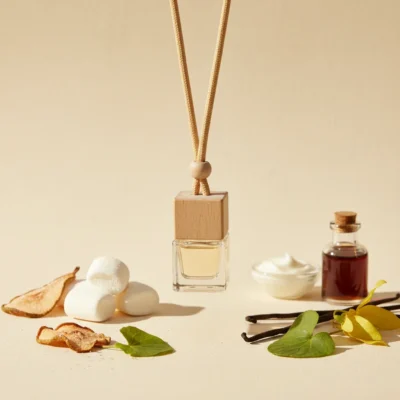
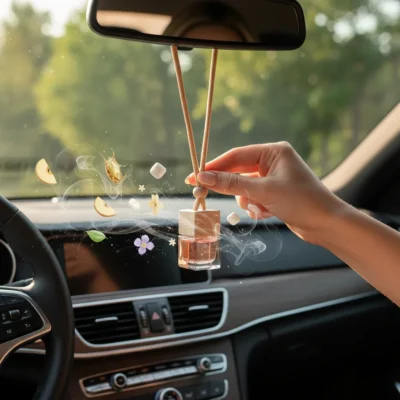
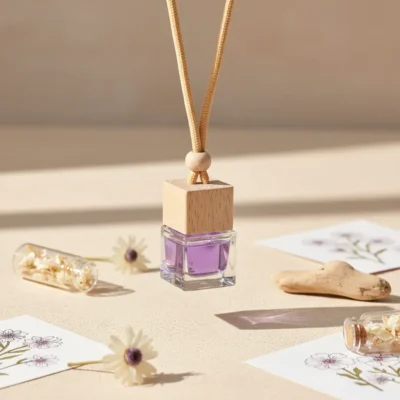
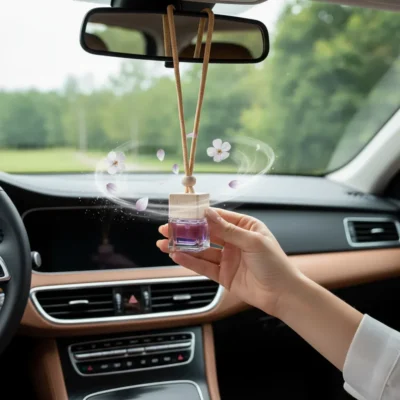
Urban drivers in cities like Lahore, Karachi, and Islamabad often seek subtle ways to celebrate this cultural heritage inside their personal vehicles. Incorporating traditional aesthetic details—such as handcrafted hanging accessories or cultural accents—allows drivers to connect with local art history during their daily commute.
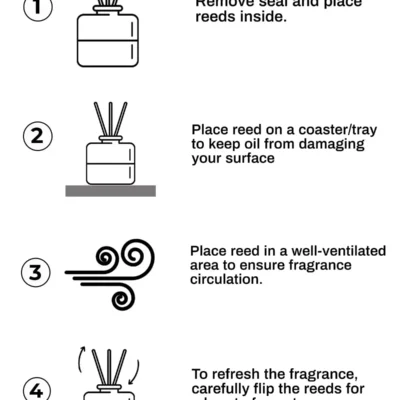
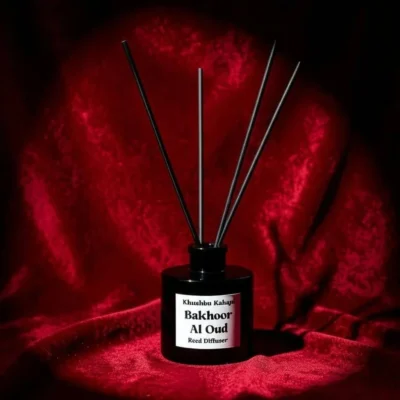
Car owners looking to personalize their interiors can explore curated car hangings in Pakistan that celebrate local artistic traditions. To complement custom visual accents, drivers can also choose long-lasting best car diffuser perfumes to maintain a fresh, welcoming cabin environment.
Understanding the practical benefits of car diffusers in Pakistan helps vehicle owners choose interior accessories that balance traditional cultural appeal with everyday comfort.
Frequently Asked Questions
What is Truck Art Pakistan?
Truck Art Pakistan, locally known as Phool Patti, is a traditional folk art where commercial trucks, buses, and vans are decorated with vibrant floral patterns, carved woodwork, hammered metal trim, and Urdu calligraphy.
What is the history of Pakistani truck art?
The art form originated in the 1920s in Karachi when transport companies installed carved wooden crowns on buses to attract passengers. Over time, it grew into a national folk movement featuring regional motifs, landscape paintings, and poetry.
What do the eyes painted on Pakistani trucks mean?
The painted eyes (Truck ki Aankhein) serve as a protective symbol (Chashm-e-Bad). Drivers believe these visual amulets shield the vehicle and its operator from accidents and bad luck on long journeys.
Why is Pakistani truck art so expensive?
Decorating a single commercial truck costs between PKR 300,000 and PKR 1,200,000. The process involves up to two months of continuous manual labor by specialized carpenters, painters, metalworkers, and calligraphers using premium materials.
Where can I experience authentic truck art in Pakistan?
Authentic truck art can be observed at major workshop hubs including Sher Shah in Karachi, Pir Wadhai in Rawalpindi, and Ring Road in Peshawar, as well as cultural institutions like the Lok Virsa Museum in Islamabad.
Truck Art Pakistan remains a living, evolving testament to the country’s creative spirit. By combining craftsmanship, poetic storytelling, and personal pride, these moving canvases continue to capture the imagination of observers around the world.