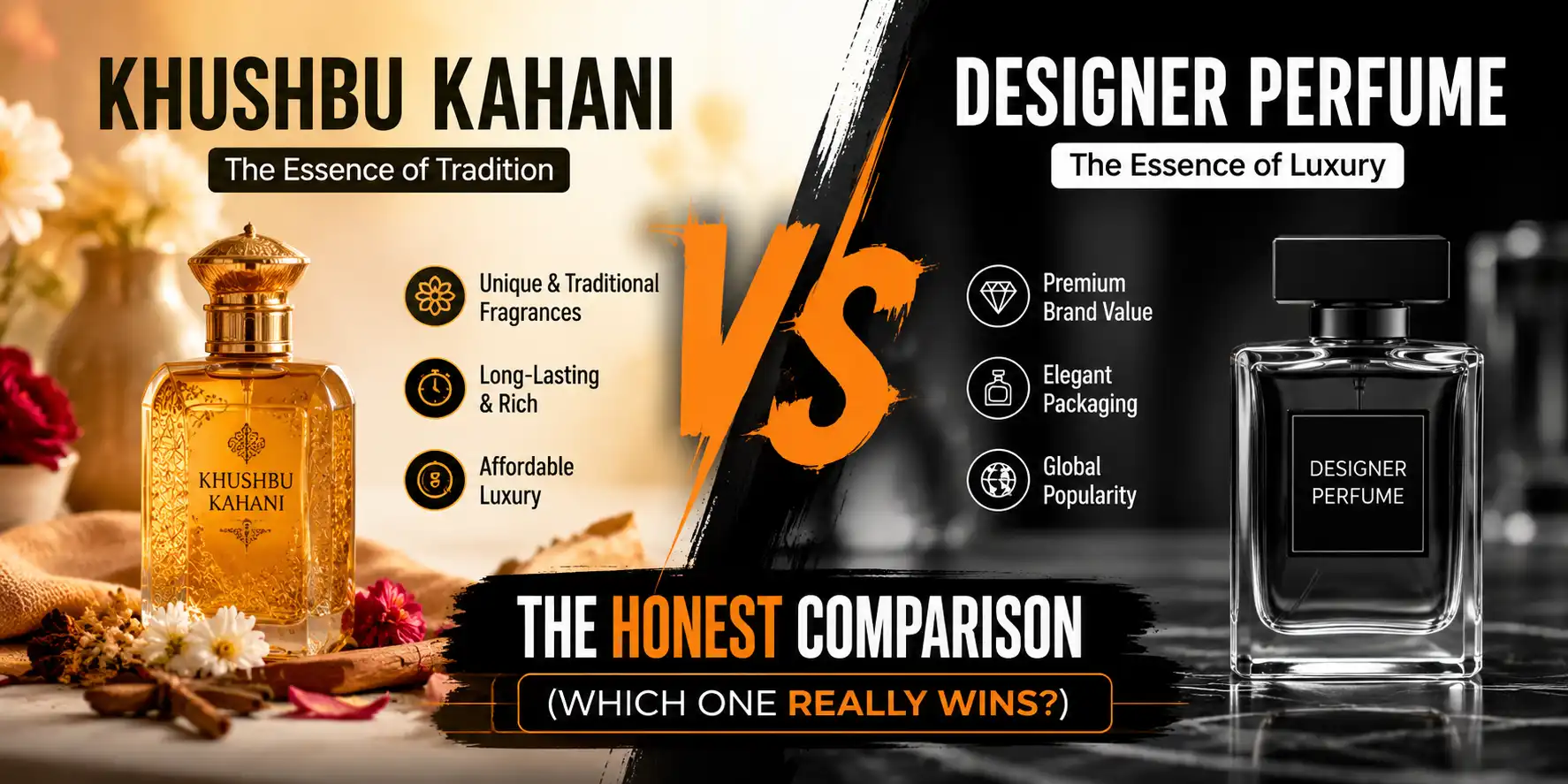
Standing in front of a perfume counter in Karachi or Lahore, most people ask the same question at some point: “Kya main ₨15,000 wala designer perfume kharidoon, ya ek local brand try karoon jo isi khushbu jaisa hai par affordable rate par?” It’s a fair question, and it’s exactly the debate this article is here to settle — with facts, not marketing lines.
Khushbu Kahani vs designer perfume isn’t really a fight between “fake” and “real.” It’s a comparison between two completely different business models, two different pricing structures, and two very different promises to the customer. One is built around global advertising budgets, celebrity endorsements, and duty-free packaging. The other is built around handcrafted blending, honest pricing, and a deep understanding of what actually works for Pakistani skin and weather. Let’s break down which one genuinely wins for your money, your skin, and your everyday life.
This is exactly what the Khushbu Kahani vs designer perfume debate keeps coming back to — not brand loyalty, but a genuine value question every fragrance buyer eventually asks themselves.
Why Pakistanis Are Comparing Local Perfume Brands to Designer Names in the First Place
Search trends tell an interesting story. Queries around perfume price in Pakistan, oud perfume, and imported fragrance houses spike constantly, but so do searches for affordable alternatives that “smell expensive.” This isn’t a coincidence — it reflects a very real shift in how people shop for fragrance.
A few things are driving this comparison:
- Currency and import costs have pushed genuine designer perfume prices in Pakistan into the ₨25,000–₨60,000 range for a single 100ml bottle, once you account for duty, distributor markup, and retailer margin.
- Counterfeit fatigue. Buyers have been burned before by “original” bottles from grey-market sellers that turned out to be diluted or synthetic knockoffs, which pushed them to look for brands that are transparent about being perfume impressions rather than pretending to be something they’re not.
- Climate reality. Karachi’s humidity and heat behave very differently with a fragrance than the cooler European climates these designer perfumes were originally formulated for. Many buyers report that a scent that felt luxurious in a Dubai duty-free shop turns sharp or overpowering after two hours in Karachi’s afternoon sun.
- A desire for local storytelling. Brands like Khushbu Kahani, founded in June 2025 by Unaiza Sabir, built their identity around handcrafted, small-batch fragrance rather than mass production — something a growing number of buyers actually prefer once they understand it.
What Are “Designer Perfumes” Really Selling You?
Before comparing the two, it’s worth being honest about what a designer perfume price tag actually includes. When you buy a bottle from an international fashion house, a significant portion of that cost has nothing to do with the liquid inside the bottle. You’re paying for:
- Global advertising campaigns and celebrity endorsement deals
- Heavy glass bottles, embossed caps, and premium boxing
- Import duty, shipping, and multiple layers of distributor margin
- Brand exclusivity and the psychological value of the name on the label
None of that is inherently bad — there’s real craftsmanship in many designer fragrance houses, and their perfumers are genuinely skilled. But it does mean a large chunk of what you pay is for marketing and packaging, not fragrance concentration.
What Khushbu Kahani Actually Offers
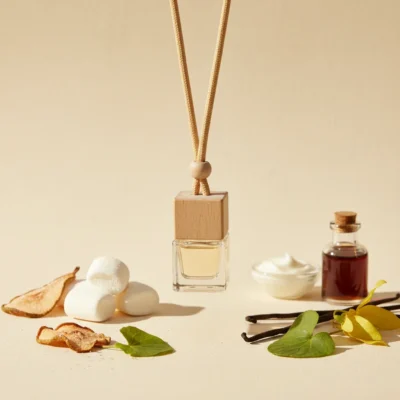
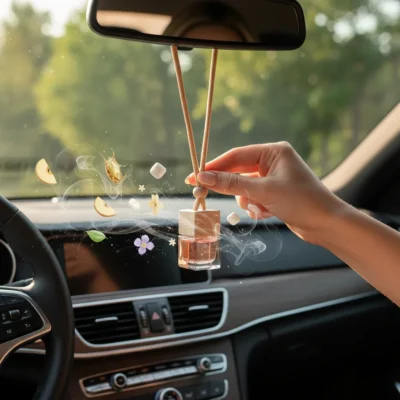
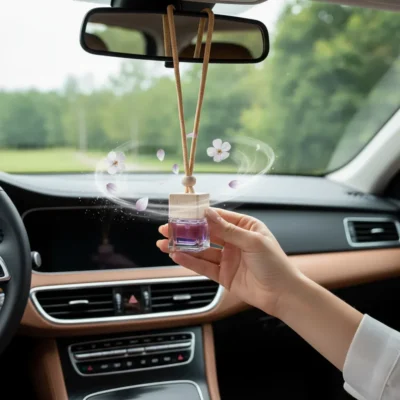
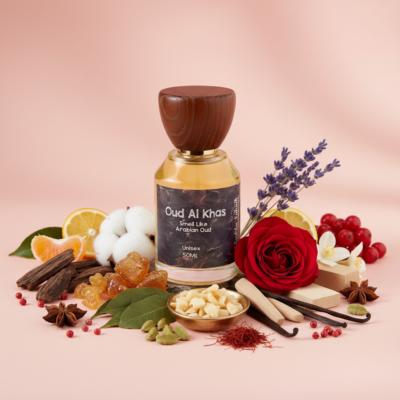
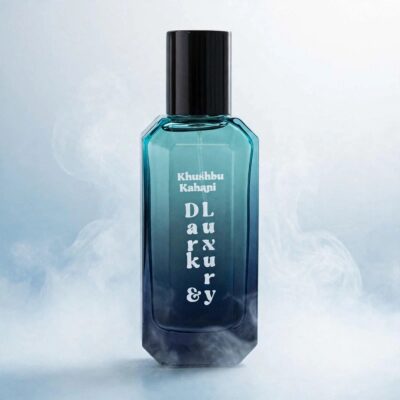
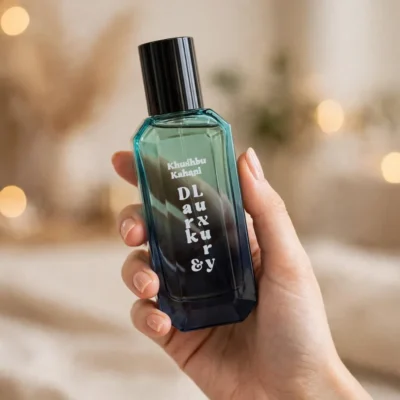
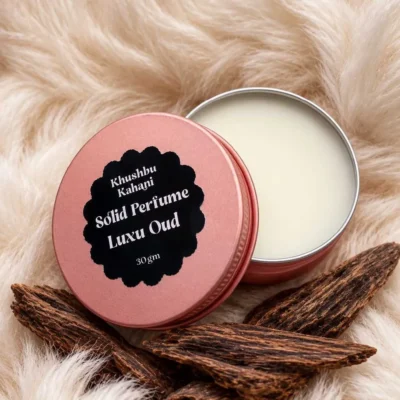
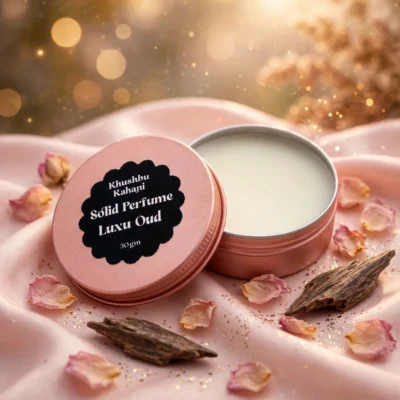
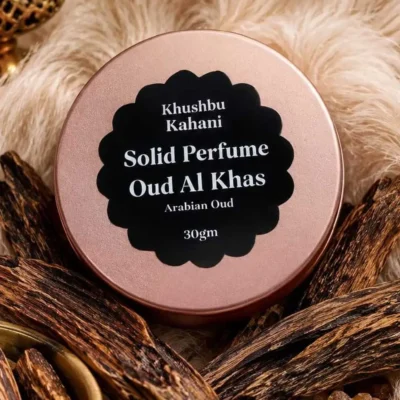
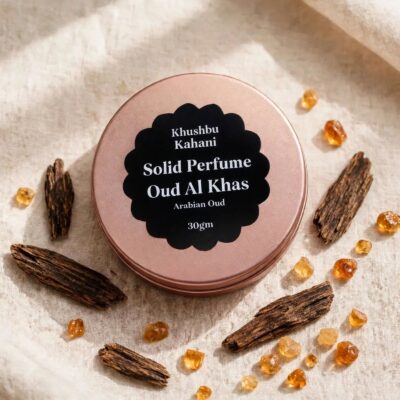
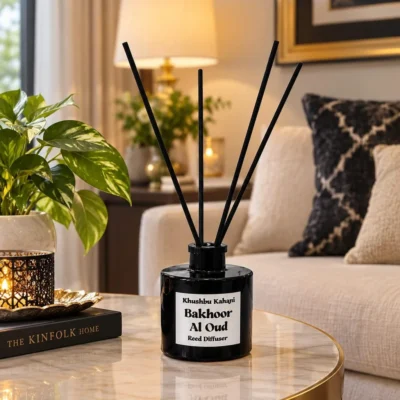
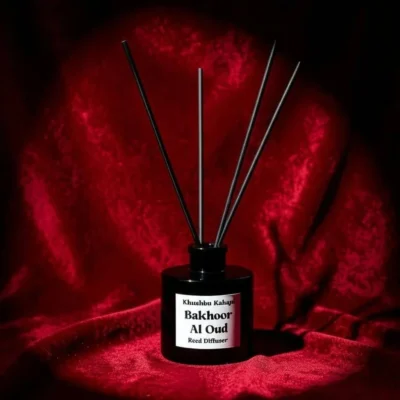
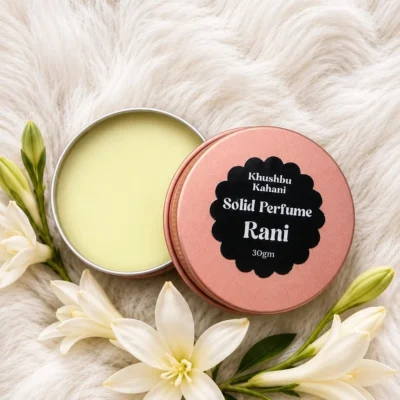
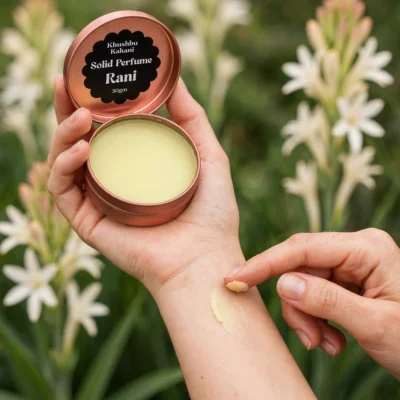
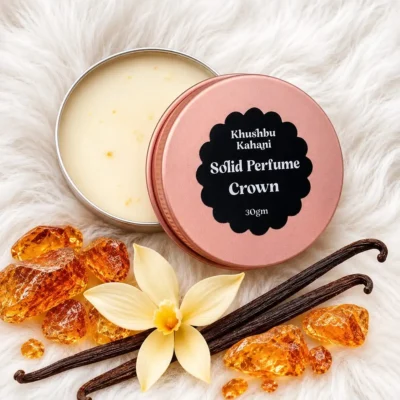
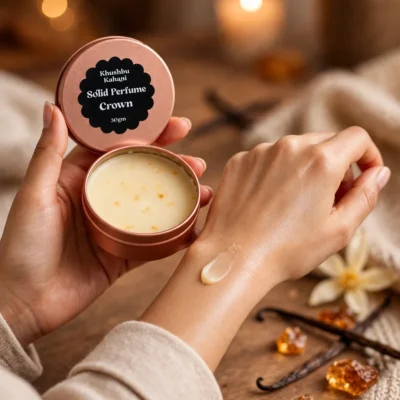
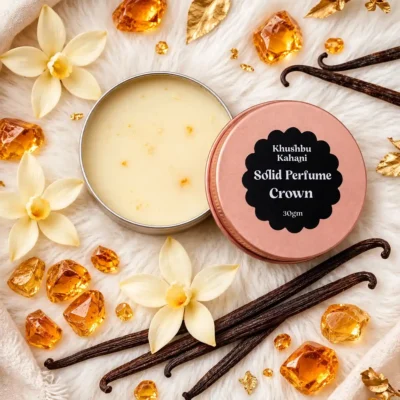
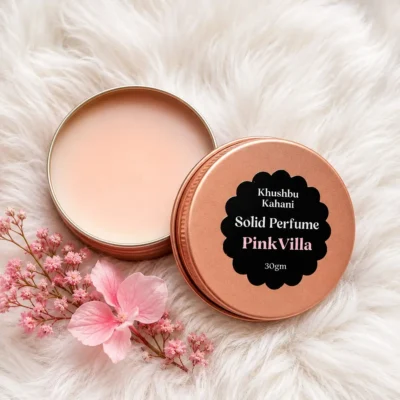
Khushbu Kahani takes a different approach entirely. Instead of competing on brand prestige, the business focuses on artisanal, handcrafted perfume impressions — fragrances inspired by globally loved scent profiles, blended locally, and priced without the international markup. Their catalogue spans perfume for women, fragrances for men, and a growing unisex perfume range, along with car diffusers, reed diffusers, and hair mists that extend the same scent philosophy beyond the body.
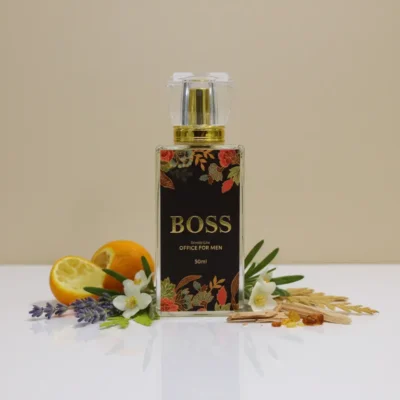
The brand is upfront that these are impressions — inspired blends, not counterfeit copies falsely branded as the original — which is an important distinction. An impression perfume is legally and ethically different from a fake: it doesn’t put someone else’s logo on the bottle, it simply recreates a similar olfactory experience at a fraction of the cost.
Price Comparison: Khushbu Kahani vs Designer Perfume
Here’s where the Khushbu Kahani vs designer perfume gap becomes impossible to ignore.
| Factor | Designer Perfume (Imported) | Khushbu Kahani |
|---|---|---|
| Average price (50–100ml) | ₨25,000 – ₨60,000+ | ₨1,800 – ₨3,000 |
| Packaging cost included | High | Minimal, functional |
| Formulated for local climate | Rarely | Yes |
| Availability of testers | Limited | Widely available |
| Risk of counterfeit purchase | High (grey market) | None — sold direct |
| Repurchase frequency affordability | Low | High |
For the price of one imported bottle, a customer can build an entire fragrance wardrobe with Khushbu Kahani — a day scent, an evening scent, a car diffuser, and a hair mist — and still spend less. That’s not a marketing exaggeration; it’s simple arithmetic once you compare the two price brackets honestly.
Longevity and Sillage: Which One Actually Lasts Longer?
In any Khushbu Kahani vs designer perfume comparison, this is the question that decides most repeat purchases, and the honest answer is: it depends on the specific perfume, not the category. Designer perfumes generally use a higher percentage of eau de parfum concentration, which can mean longer wear time on paper. But real-world feedback from Pakistani buyers tells a more nuanced story — heat and humidity accelerate the evaporation of top notes in almost any perfume, designer or otherwise, meaning the advantage on paper often shrinks in practice.
Khushbu Kahani’s handcrafted blends are formulated with attention to how oud, floral, and musk notes behave specifically in South Asian climates — a factor covered in more depth in the brand’s own breakdown of oud vs western perfumes and their explainer on what oud fragrance actually is. Because these blends aren’t chasing a European climate profile, many customers report the scent holding its character on the skin for longer through a typical Karachi afternoon, even if the raw concentration percentage is lower than a designer bottle.
Ingredient Quality: Is “Affordable” the Same as “Cheap”?
This is the myth that needs the most correcting. Affordable does not automatically mean lower quality — it can simply mean a leaner cost structure. Khushbu Kahani’s entire brand promise is built around slow, intentional, small-batch production rather than mass manufacturing, with ingredients sourced specifically to recreate luxury scent profiles without cutting corners on the actual oils used.
That said, buyers should be realistic: a ₨2,000 impression perfume will not use the exact same rare ingredients (like natural ambergris or aged Mysore sandalwood) that a ₨50,000 luxury bottle might. What it can do is capture the spirit and character of that scent closely enough that most people — including the wearer — genuinely cannot tell the difference in a casual setting. For many buyers, that’s a better trade-off than paying a 20x premium for a marginal improvement only a trained perfumer’s nose would notice.
Khushbu Kahani vs Designer Perfume: Head-to-Head Comparison
Breaking the Khushbu Kahani vs designer perfume question down category by category makes the honest answer much clearer.
On accessibility: Khushbu Kahani wins clearly. You don’t need a duty-free trip or a distributor relationship to get an authentic bottle — everything is ordered directly through the brand’s own shop.
On prestige and gifting for special occasions: Designer perfume still holds an edge for people who specifically want the branded box and logo — particularly for gifting where the packaging itself is part of the impression being made, something explored further in the brand’s own complete perfume gift guide.
On value for daily wear: Khushbu Kahani wins decisively. Nobody needs to reserve their most expensive bottle for “special occasions only” when a well-made, climate-appropriate impression perfume can be worn daily without financial guilt.
On trust and transparency: This one is close, but arguably tips toward Khushbu Kahani, simply because the brand is upfront about being an impression house rather than letting customers assume they’re buying a duty-free original from an unverified seller.
On halal and skin-sensitivity considerations: Many buyers researching this space are also specifically looking for alcohol-free or halal-compliant formulations, an area covered in the brand’s guide to halal perfume brands in Pakistan — a consideration that isn’t always front and center with international designer houses.
When Should You Actually Buy Designer, and When Should You Choose Khushbu Kahani?
Being genuinely useful here means not pretending one option wins in every single situation.
Choose a designer perfume when:
- You’re gifting someone who specifically values brand recognition
- Budget genuinely isn’t a constraint and you want the complete luxury retail experience
- You want a scent with decades of unchanged formulation history behind it
Choose Khushbu Kahani when:
- You want to build a fragrance wardrobe with multiple scents for different moods and occasions
- You’re formulating your everyday budget around getting maximum value per rupee
- You want a scent genuinely designed to hold up in Karachi, Lahore, or Islamabad’s weather
- You’re also interested in extending fragrance into your car or home through their car diffuser perfume or reed diffuser ranges
Beyond the Bottle: Why Khushbu Kahani’s Full Range Matters in This Comparison
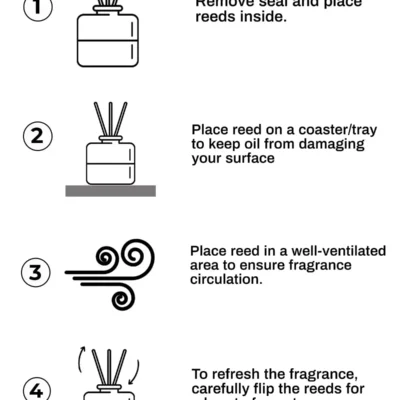
One thing designer perfume houses generally don’t offer at an accessible price point is a complete scent ecosystem. Khushbu Kahani’s catalogue extends fragrance into car hangings, reed diffusers, and hair mists — meaning the same scent philosophy that shows up on your skin can follow you into your car and your home without needing three separate premium purchases from three separate luxury brands. That kind of coherent, affordable scent identity across every part of daily life is genuinely difficult to replicate with designer perfume alone, simply because of cost.
Final Verdict: Khushbu Kahani vs Designer Perfume — Which One Wins?
If the question is “which perfume smells more prestigious in a duty-free bottle,” designer wins — that’s simply what the category is built for. But if the real question is “which one gives better everyday value, better climate performance for Pakistan, and a more honest price-to-experience ratio,” Khushbu Kahani comes out ahead for the vast majority of everyday buyers.
The smartest approach many customers are landing on isn’t picking a side permanently — it’s keeping one or two designer bottles for special occasions while relying on a rotation of Khushbu Kahani impressions for regular, daily wear. That combination respects both the budget and the desire for variety, without forcing a false choice between “luxury” and “affordable.” At the end of the day, the Khushbu Kahani vs designer perfume comparison isn’t about declaring one category obsolete — it’s about spending your fragrance budget where it actually earns its keep.
Frequently Asked Questions
Is Khushbu Kahani an original perfume brand or a copy of designer perfumes?
Khushbu Kahani is an independent, original brand that creates its own handcrafted perfume impressions inspired by popular global scent profiles. It does not use any other brand’s name, logo, or packaging — it’s an original product with its own identity.
Why is designer perfume so expensive in Pakistan compared to local brands?
The price difference mostly comes from import duty, international shipping, distributor and retailer margins, and global advertising costs — not purely from the raw fragrance ingredients themselves.
Does an affordable perfume last as long as a designer one?
It depends on the specific formulation and how well it’s suited to local weather. Many affordable, well-blended perfumes formulated for South Asian climates can outperform designer perfumes on longevity in hot, humid conditions.
Is it safe to buy perfume online in Pakistan?
Yes, as long as you’re buying directly from a brand’s official website or verified retailer rather than an unverified reseller, since that removes the risk of counterfeit or diluted products.
What is a perfume impression, and is it the same as a fake?
A perfume impression is a fragrance inspired by a popular scent profile, sold under its own original brand name. It is legally and ethically different from a counterfeit, which illegally uses another brand’s actual name and packaging.