If you have ever reached for your signature scent only to find out it was pulled from store shelves, you know the frustration. You might wonder, why do perfumes get discontinued when they seem so well-loved by loyal fans?
The fragrance industry moves quietly behind closed doors. Behind every pulled bottle sits a mix of strict chemical regulations, shifting raw material harvests, corporate buyouts, and profit margins.
Understanding the real mechanics behind these decisions helps you spot warning signs early. Here is the full breakdown of why scents disappear and how you can preserve your personal collection.
7 Direct Business Reasons: Why Do Perfumes Get Discontinued?
Why are so many perfumes being discontinued each year? Fragrance houses constantly evaluate their inventory. Seven core factors trigger a bottle’s removal from production.
┌──────────────────────────────────────────────────────────┐
│         THE DISCONTINUATION LIFECYCLE (IFRA & MARKET)     │
├──────────────────────────────────────────────────────────┤
│ 1. Low Sales Volume      ──► High Warehouse Holding Cost │
│ 2. IFRA Safety Bans      ──► Impossible Reformulation     │
│ 3. Sourcing Scarcity     ──► Cost Inflation per Batch    │
│ 4. Portfolio Pivot       ──► Retiring Legacy Flankers    │
└──────────────────────────────────────────────────────────┘
1. Declining Sales Velocity (The Ultimate Reason Why Do Perfumes Get Discontinued)
A perfume can have a passionate online following and still fail financially. Fragrance brands require high-volume retail sales to justify manufacturing runs, packaging orders, and counter space. If a bottle sits on department store shelves for months, the brand cuts it to make room for faster-selling products.
2. IFRA Regulations and Chemical Bans
The International Fragrance Association (IFRA) regularly updates its safety guidelines to protect consumers from potential allergens and skin sensitizers. When IFRA restricts a key ingredient—such as natural oakmoss or specific synthetic musks—brands must reformulate the scent. If a master perfumer cannot recreate the original profile without that restricted ingredient, the house chooses discontinuation over releasing a watered-down product.
3. Sourcing Scarcity and Raw Material Costs
Natural botanical ingredients depend on weather conditions, regional stability, and sustainable harvesting. Iconic ingredients like vintage Mysore sandalwood and wild agarwood (Oud) have faced severe harvest caps and price surges. When raw material prices spike beyond profitability, the formula becomes unsustainable to produce at scale.
4. Brand Portfolios and Flanker Fatigue
Designers frequently release limited-time variations of flagship scents, known in the industry as “flankers.” Most flankers are designed from the start to have a 12-to-24-month lifecycle. Once the promotional window closes, the brand retires the flanker to launch the next campaign.
5. Corporate Mergers and Expired Licensing Deals
Fashion brands often license their perfume names to large beauty conglomerates. When a licensing agreement expires or a parent company gets acquired, the new owners streamline the product catalog. Underperforming legacy lines are immediately axed during these portfolio consolidations.
6. Failed Reformulation Attempts
When an ingredient ban or price hike forces a formula adjustment, perfumers try to match the original profile using synthetic alternatives. If consumer testing shows the new blend loses its depth, character, or projection, executive teams scrap the line entirely to avoid damaging brand reputation.
7. Strategic Scarcity Marketing
Some luxury fragrance houses deliberately pull a popular formula to create artificial scarcity. By retiring a scent temporarily or converting it into an expensive “private blend” release, brands drive up collector demand and secondary market value.
Beyond IFRA Bans: Why Do Perfumes Get Discontinued So Frequently?
The modern fragrance market runs on speed. Decades ago, a signature scent remained on counters for 30 years without changes. Today, hundreds of new scents launch every single year, forcing brands to clear shelf space faster than ever before.
| Discontinuation Factor | Primary Driver | Impact on Fragrance Formula |
| Sales Performance | Low retail turnover & low volume | Complete removal from distribution |
| IFRA Compliance | Health & allergen safety standards | Key accords banned or capped |
| Ingredient Shortage | Climate disruptions & overharvesting | Loss of natural base oils |
| Corporate Rebrand | New creative direction or licensing | Bottle design & name retired |
What to Do When Your Favorite Scent Is Discontinued
Learning that your signature perfume is out of stock permanently can feel like losing a piece of your identity. Do not panic—you have several actionable options to explore.
Pro Tip: Stock up on backup bottles as soon as rumor spreads of a discontinuation. Check batch codes on the bottom of the box to confirm you are buying original formula stock.
Step 1: Secure Authentic Vault Bottles
Check authorized retailers, specialized fragrance discounters, and verified fragrance community forums. Act quickly before secondary market resellers double or triple the prices. Testing small decants via perfume testers in Pakistan helps you verify scent profiles before buying full-sized vintage bottles.
Step 2: Explore High-Quality Impression Houses
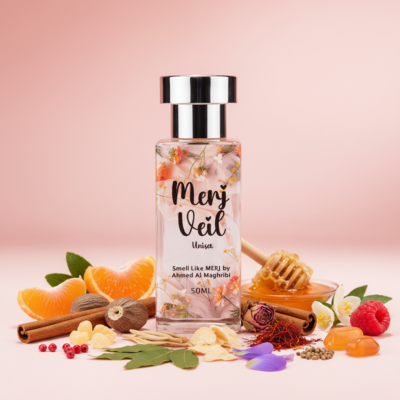
Modern perfumery allows skilled noses to match discontinued formulas accurately using gas chromatography testing. High-grade impression houses recreate banned vintage profiles using safe, modern ingredients. You can easily smell luxury on a budget without paying inflated collector prices.
Step 3: Find Similar Olfactory Families
Look up your discontinued perfume’s top, heart, and base notes on fragrance databases. Search for active alternatives that share the same dominant accords, whether you love spicy amber, fresh citrus, or rich woody bases.
Fragrance Shelf Life: Is a 7 or 20-Year-Old Perfume Still Good?
Many collectors wonder if hoarding older bottles is safe. Is a 7-year-old perfume still good? What about a 20-year-old vintage bottle?
                     PERFUME AGING TIMELINE
┌───────────────────────────┬────────────────────────────────┐
│ Storage Condition         │ Expected Shelf Life            │
├───────────────────────────┼────────────────────────────────┤
│ Unopened / Dark & Cool    │ 10 to 20+ Years (Vintage)      │
│ Opened / Normal Room Temp │ 3 to 5 Years                   │
│ Exposed to Sun & Humidity │ 6 to 18 Months (Spoiled)       │
└───────────────────────────┴────────────────────────────────┘
Is a 7-Year-Old Perfume Still Good?
Yes, a 7-year-old perfume is usually in great condition if it was kept away from heat and direct sunlight. High concentration formulas with strong base notes (like amber, oud, patchouli, and vanilla) actually deepen and mature gracefully over seven years.
Is Perfume Still Good After 20 Years?
Unopened or carefully stored vintage perfumes can remain wearable even after 20 years. However, top citrus notes naturally evaporate and oxidize over decades. While the initial spray might smell sharp or sour for the first two minutes, the deep heart and base notes often smell incredible.
What Kills the Smell of Perfume? (Storage Mistakes)
Three environment factors degrade fragrance molecules and turn good perfume sour:
- Direct Sunlight: UV rays break down complex chemical bonds inside the liquid, causing rapid discoloration and sour off-notes.
- Heat Fluctuations: Keeping bottles near radiators or in hot cars speeds up oxidation.
- Bathroom Humidity: Steam and moisture from daily showers seep into bottle caps, spoiling the juice within months.
Always store your collection inside a dark closet, a bedroom drawer, or its original cardboard box at a steady room temperature.
How to Make Perfume Last and Smell Stronger
Applying perfume correctly ensures your bottle projects well throughout the day. Follow these proven application steps:
- Moisturize Your Skin First: Dry skin absorbs fragrance oils instantly, killing projection. Apply an unscented lotion or petroleum jelly to pulse points before spraying.
- Target High-Heat Pulse Points: Spray behind your ears, on the sides of your neck, inside your elbows, and on your wrists where blood flow warms the skin.
- Never Rub Your Wrists Together: Friction crushes delicate top notes and accelerates evaporation. Spray and let the liquid dry naturally on your skin.
- Spray Your Clothing: Fabric fibers hold scent molecules significantly longer than skin. Spraying coats or scarves ensures your aura lasts all day.
For detailed steps on maximizing your fragrance’s projection, check out our complete guide on how to make perfume last longer.
Perfume Application Rules, Travel Laws, and Layering Tips
What Is the 3-1-1 Rule for Perfume?
The 3-1-1 rule is the TSA aviation guideline for carrying liquids in cabin luggage:
- 3.4 Ounces (100 ml): Every bottle must be 100 ml or smaller.
- 1 Clear Bag: All liquid containers must fit into one quart-sized, clear plastic bag.
- 1 Bag Per Passenger: Each traveler is allowed one plastic bag through airport security check.
Yes, a standard 100 ml perfume bottle is allowed in cabin hand luggage as long as it fits inside your clear travel pouch.
How Many Bottles of Perfume Should You Have?
A practical, versatile collection consists of 3 to 5 bottles:
- Daily Signature Scent: Clean, fresh, and non-offensive for work or school.
- Warm Weather Scent: Citrus, aquatic, or light floral for hot summer days.
- Cool Weather Scent: Rich amber, spice, or oud for cold nights.
- Evening / Date Night Scent: Deep, seductive, and long-projecting.
Can You Layer More Than One Perfume?
Yes, fragrance layering creates a unique personal aura. Combine two complementary scents by spraying the heavier base scent first (like vanilla or sandalwood) followed by a lighter top scent (like citrus or jasmine).
Frequently Asked Questions
Why do perfumes get discontinued if they sell well?
A perfume that seems popular online may still fail corporate sales targets. Brands pull scents due to strict IFRA ingredient bans, raw material supply shortages, or corporate catalog restructuring.
What is the #1 perfume in the world?
Maison Francis Kurkdjian Baccarat Rouge 540 and Chanel No. 5 consistently rank as the top-selling and most recognizable luxury perfumes globally due to their timeless appeal.
Where should you not apply perfume?
Never spray perfume on your face, eyes, sensitive intimate areas, or broken skin. Avoid spraying alcohol-based fragrances directly onto delicate hair tips, as the alcohol causes dryness and splitting.
Can perfume affect your thyroid?
Some low-grade or unregulated synthetic fragrances contain phthalates and synthetic musks that act as potential endocrine disruptors. Choosing safety-tested brands that comply with international safety standards minimizes potential risks.
Which male perfume attracts girls?
Fragrances featuring warm vanilla, sweet amber, clean lavender, and subtle woody base notes consistently rank high in social surveys for male attraction.
Final Thoughts
While discovering your favorite perfume has been discontinued is disappointing, understanding the underlying regulatory and market forces helps you plan ahead. Keep backup bottles stored in dark, cool spaces, explore high-grade alternatives, and protect your existing collection from heat and light to enjoy your signature scent for years to come.